June 4, 2026
Hot water systems are essential in most properties, and deciding whether to repair or replace one can feel uncertain without clear guidance. Many issues start small, then develop into larger problems that affect performance, reliability, and energy use. A careful review of symptoms, age, and condition can help determine the most practical next step. Most situations benefit from a structured evaluation carried out with help from a qualified plumbing company.
This approach helps identify whether a repair can restore proper function or whether replacement is more practical over time. Small issues like inconsistent water temperature or reduced hot water supply may indicate early warning signs that should not be ignored. When systems begin to show repeated issues, it becomes important to look at long-term performance rather than short-term fixes. A plumbing company can assess conditions, identify risks, and guide decisions based on safety, efficiency, and cost balance.
Recognizing Performance Changes
Changes in performance are often the first indication that a water heater is no longer operating at its best. These changes can appear gradually and may include uneven water temperature, slower heating cycles, or reduced hot water availability during normal use. While these issues may seem minor at first, they often point to internal wear or declining system efficiency.
A plumbing company can evaluate whether these changes are related to component wear or system age. In many cases, recurring fluctuations in temperature suggest that internal parts are no longer functioning consistently. Sediment buildup may also contribute to reduced performance, especially in older systems.
When performance shifts begin to affect daily routines, it becomes important to consider whether repair work will restore proper function or whether deeper issues are present. A plumbing company can provide a clear assessment based on system behavior and overall condition.
Observing System Age and Condition
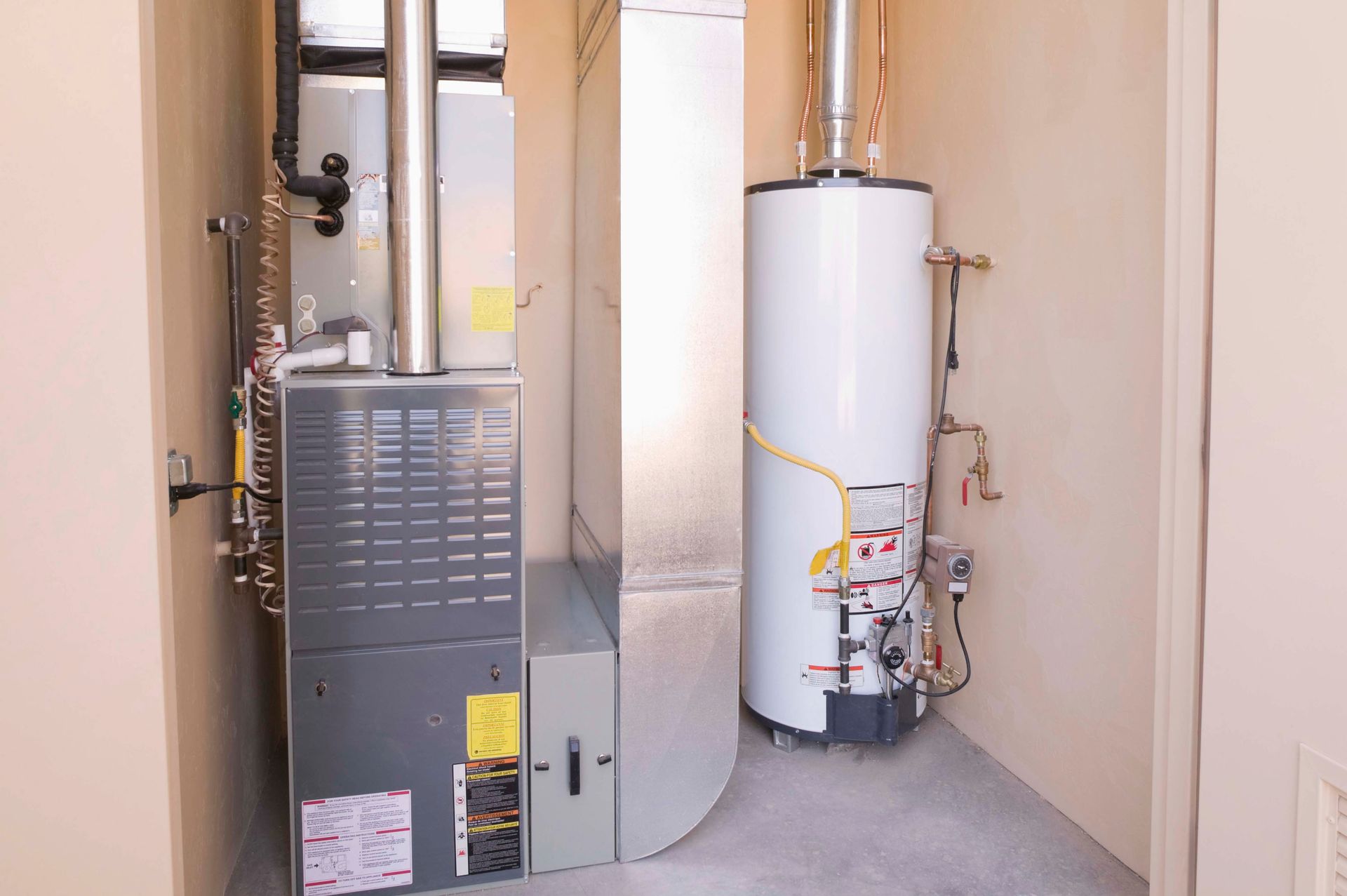
System age plays a major role in deciding whether repair or replacement makes more sense. Older water heaters often require more frequent attention, and parts may become less reliable over time. Even when a system continues to operate, efficiency can decline steadily as internal components age. According to Today's Homeowner, water heaters typically last between 6 and 20 years, depending on the type, and may stop working for various reasons.
A plumbing company can evaluate how age is affecting performance and whether continued operation is practical. In some cases, older systems may still function but operate with higher energy use and reduced consistency. This can lead to repeated service needs over time.
Condition is also important to review. Visible wear, corrosion, or repeated issues are strong indicators that a system may be nearing the end of its useful life. A plumbing company can help determine whether the current condition supports continued use or suggests a shift toward replacement.
Identifying Warning Signs Early
Warning signs often appear before a complete system failure occurs. These signs can include unusual noises, discolored water, or inconsistent heating. While these symptoms may vary, they often point to internal stress within the unit that should be reviewed.
A plumbing company can help identify the cause of these warning signs and determine whether repairs are practical. For example, rumbling or popping sounds may indicate sediment accumulation, while rust colored water may suggest internal corrosion.
Ignoring early warning signs can lead to more serious issues later. A plumbing company can assess whether addressing these symptoms early may extend system life or whether the pattern of issues suggests a more significant decline in performance.
Comparing Repair and Replacement Needs
When deciding between repair and replacement, it is important to compare the extent of the issue with the overall condition of the system. Minor issues may sometimes be resolved with targeted repairs, while repeated or widespread problems often suggest deeper wear.
A plumbing company can evaluate repair needs in relation to system age and performance history. If multiple components are failing or if repairs have become frequent, replacement may be a more stable long-term option.
Cost is also part of this comparison. While repairs may appear simpler in the short term, repeated service needs can add up over time. A plumbing company can help assess whether continued repairs align with long-term value or whether replacement provides a more consistent outcome.
Reviewing Safety and Efficiency Concerns
Safety and efficiency are important factors when evaluating a water heating system. Declining efficiency can lead to higher energy use and uneven performance. Safety concerns may arise when internal components degrade or when systems show signs of corrosion or leakage.
A plumbing company can review both safety and efficiency to determine whether the system is still operating within acceptable conditions. Reduced efficiency may not always require immediate replacement, but it does signal the need for careful evaluation.
Leaks or visible corrosion require prompt attention. A plumbing company can determine whether these issues are isolated or part of a larger pattern of system deterioration. In many cases, safety-related concerns play a key role in deciding whether continued repair is appropriate.
Considering Long Term Cost Factors
Long-term cost considerations often influence the decision between repair and replacement. While repairs may address immediate issues, repeated service needs can increase overall expenses over time. Older systems may also consume more energy, which adds ongoing cost beyond repair work.
A plumbing company can provide insight into how current issues may affect long-term expenses. This includes evaluating how often repairs may be needed and how system efficiency impacts utility use.
Careful planning can help avoid unexpected disruptions. A plumbing company can review the condition of the system and outline practical options that balance immediate needs with long-term performance expectations.
Seeking Professional Evaluation and Next Steps
A structured evaluation is often the most reliable way to determine whether repair or replacement is appropriate. This process includes reviewing system age, performance patterns, safety concerns, and overall condition. Each of these factors contributes to a clearer understanding of the system's remaining lifespan. Older systems may also show gradual efficiency loss that is not immediately visible, which makes consistent monitoring important during evaluation.
A plumbing company can conduct a full assessment and explain whether repair efforts are likely to restore consistent performance. In cases where multiple issues are present, replacement may provide a more stable and predictable outcome. A plumbing company can also compare repair frequency against expected system lifespan to help determine long-term viability.
Clear guidance helps avoid repeated issues and supports better planning for future hot water needs. A plumbing company can also help prioritize next steps based on urgency and system condition.
Deciding whether to repair or replace a water heater depends on a combination of age, performance changes, safety concerns, and cost considerations. Each situation is different, and small issues can sometimes signal larger underlying problems that develop over time. Careful evaluation helps ensure the system continues to meet daily needs without unnecessary interruptions. System age often plays a key role in these decisions as well.
Working with a reliable local plumbing company allows for a structured review of system condition and provides clarity on the most practical path forward. Timely evaluation can reduce unexpected breakdowns and service disruptions overall. For reliable evaluation and clear next steps, contact the professional plumbers at Professional Plumbing Service, Inc to arrange a water heater system assessment and support long-term water heating performance.